
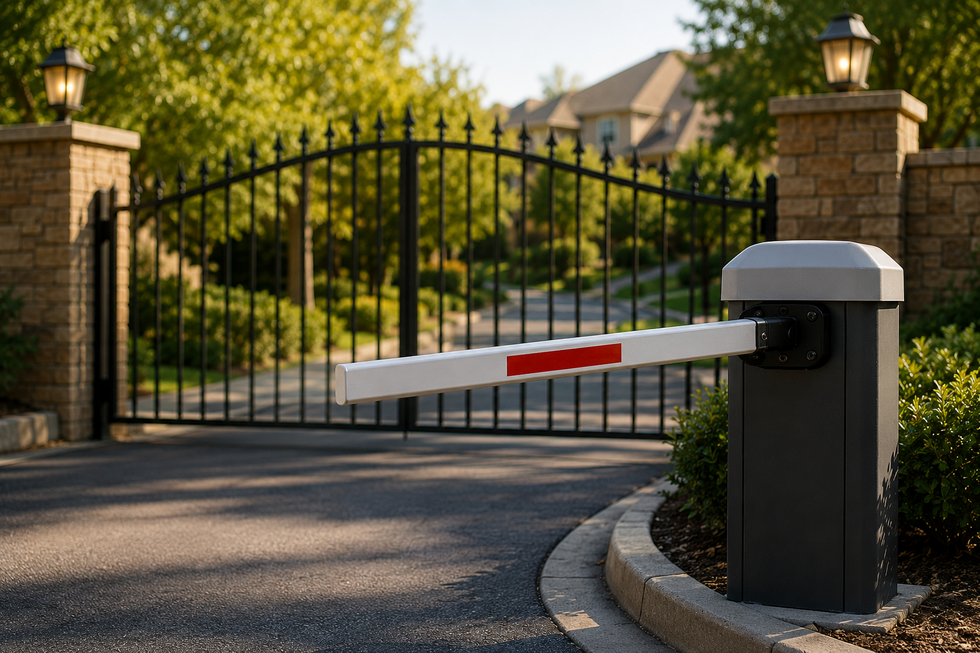
Receiving a letter from your homeowners association (HOA) demanding payment for alleged property damage can be overwhelming. Whether it's damage to a gate, fence, landscaping, or another common area, many homeowners immediately wonder:
"Do I have to pay this?"
The answer depends on the facts.
While an HOA may have the authority to seek reimbursement for damage caused by a homeowner or their guests, that doesn't necessarily mean every demand is accurate or that the amount being requested is reasonable.
Here's what every Texas homeowner should know.
1. An HOA Must Have a Basis for Its Claim
Before paying a damage claim, it's important to understand why the HOA believes you're responsible.
Questions to consider include:
- What evidence supports the claim?
- Did someone witness the incident?
- Is there security camera footage?
- Was the damage documented?
- Is there proof that your actions caused all of the damage being claimed?
Every situation is different, but reviewing the available evidence can be an important first step before deciding how to respond.
2. The Repair Costs May Be Worth Reviewing
Even if you acknowledge that contact occurred, that doesn't automatically mean you're responsible for every dollar the HOA demands.
In some situations, questions may arise about:
- How repair costs were calculated
- Whether repairs were reasonably necessary
- Whether the damaged equipment had pre-existing issues
- Whether replacement costs are supported by documentation
Understanding how the HOA arrived at its demand can help you make an informed decision.
3. Collection Letters Don't Always Mean the Matter Is Final
Some homeowners assume that once attorney's fees or collection notices are added, they have no choice but to pay.
That isn't always the case.
Depending on the circumstances, homeowners may still have options to:
- Review the claim
- Request additional documentation
- Negotiate a resolution
- Seek legal advice before making payment
Responding early often provides more opportunities to address the dispute.
4. Every HOA Dispute Is Different
No two cases are exactly alike.
Factors that may affect an HOA property damage dispute include:
- Community governing documents
- The available evidence
- The nature of the alleged damage
- Communications between the parties
- Applicable Texas law
Because every situation is unique, it's important to evaluate the specific facts before deciding how to proceed.
A Real Example
At Sanchez Law Firm, we recently represented homeowners who were facing an HOA demand for alleged damage to a neighborhood gate.
After reviewing the claim and negotiating with opposing counsel, the dispute was ultimately resolved through a full settlement for substantially less than the HOA's final demand.
👉 Read the full case result here: https://www.sanchezlawfirm.com/hoa-gate-damage-claim-successfully-resolved-through-negotiation
When Should You Speak With an Attorney?
If you're facing an HOA demand involving significant repair costs, attorney's fees, or collection efforts, consulting an attorney may help you better understand your options.
An attorney can evaluate the claim, review the supporting documentation, and advise you based on the specific facts of your situation.
Sanchez Law Firm Is Here to Help
At Sanchez Law Firm, we help Texas homeowners navigate a variety of real estate and consumer disputes. If you've received an HOA demand letter or have questions about your legal rights, our team is here to help you understand your options.
Schedule a consultation today to discuss your situation.



Comments
There are no comments for this post. Be the first and Add your Comment below.
Leave a Comment